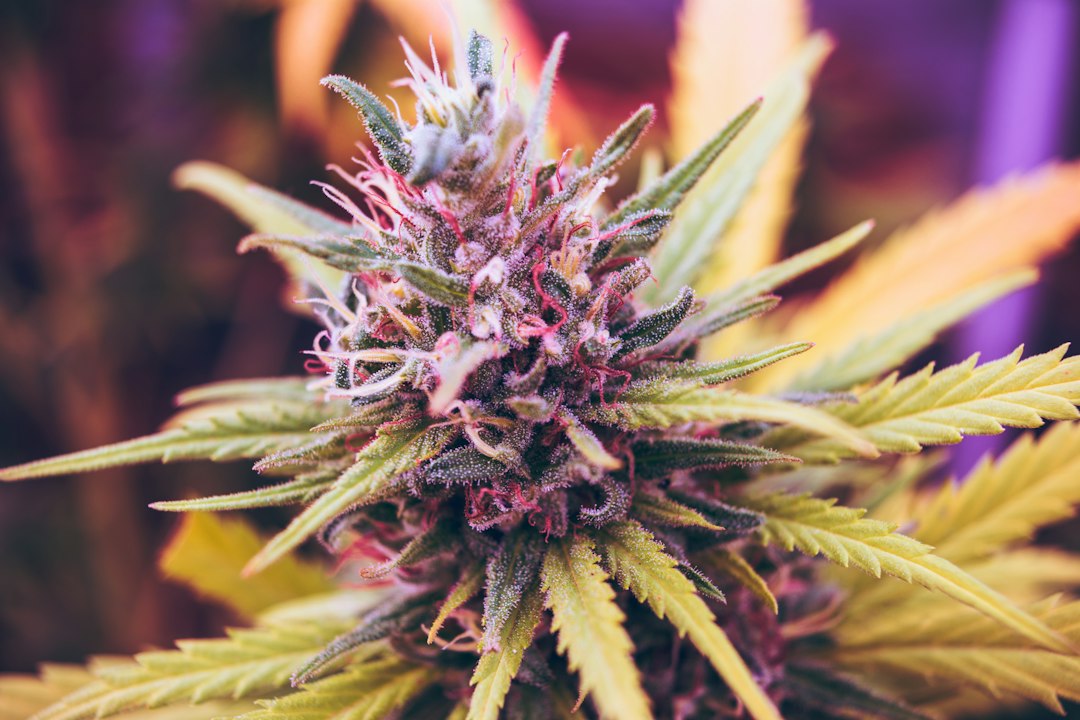
Cannabis laws in Spain require careful reading because medical treatment, personal consumption, and commercial supply belong to different legal frameworks. A headline announcing medical cannabis regulation does not mean anyone can buy cannabis as an ordinary retail product. For patients, the useful question is which recognized treatment pathway applies to their condition and circumstances.
This guide explains how to approach that question without confusing a medical prescription with a club membership. The legal sources were checked on October 20, 2026. Patients should confirm current requirements with their treating hospital because implementation, available preparations, and individual clinical decisions can change.

What the medical framework covers
Royal Decree 903/2025 establishes a framework for standardized cannabis preparations used in specified compounded formulas. It provides for specialist prescribing in hospital care, preparation and dispensing by hospital pharmacy services, and clinical follow-up. The decree entered into force on October 10, 2025. It does not establish general recreational legalization or ordinary retail access to cannabis flower.
The distinction matters when reading promotional language. “Medical cannabis available in Spain” may describe a regulated clinical route rather than a product that a traveler can simply request. Ask which medicine or preparation is being discussed, who may prescribe it, and which institution would dispense it.
Registration is a quality requirement
The AEMPS standardized preparations page explains the registration process for manufacturers. Registration concerns the materials used to prepare these formulas. It should not be confused with a personal consumer permit, an authorization for a cannabis association, or an endorsement of every product advertised with a cannabis leaf.
For a patient, traceability is a practical subject to discuss with the pharmacist. Useful questions include how the preparation is identified, what information accompanies it, and whom to contact if the label is unclear. Keep the original packaging and written treatment instructions together rather than relying on a photograph or an informal recommendation.
Preparing for a clinical conversation
Bring a clear account of the problem you want treatment to address. Describe its effects on daily life, previous treatments, reasons those treatments ended, and current medicines. A short written timeline is often more useful than a collection of marketing claims. Include nonprescription products and supplements so the clinician has a complete picture.
Ask what a meaningful improvement would look like for you. That might concern a specific symptom, an everyday task, or whether another treatment remains necessary. Agreeing on an assessment method helps avoid continuing a treatment solely because it is new or because expectations were high.
Ask how follow-up will work before starting. Clarify who manages questions between appointments, how problems should be reported, and what would trigger an earlier review. Do not adjust other prescribed treatments based on advice from a social media group or a product seller.
Reading claims without overinterpreting them
A product description may combine several separate ideas: the plant’s traditional use, research on a particular cannabinoid, and a claim about a finished commercial preparation. Those ideas are not interchangeable. Ask whether the evidence concerns the same formulation, route, and patient group being discussed.
A testimonial can describe someone’s experience but cannot establish how likely you are to benefit. Likewise, an impressive technical vocabulary does not answer basic questions about quality or suitability. A responsible discussion should allow uncertainty and explain alternatives without pressuring you to decide immediately.
Traveling with treatment
Visitors should plan medication questions before departure. A prescription issued elsewhere is not a general permission to buy, carry, or import any cannabis product. Contact the relevant medicines authority and the carrier about the specific medicine and itinerary, including transit countries. Keep written answers where you can retrieve them.
Do not replace a prescribed preparation with an unrelated product because the names sound similar. If access is interrupted, speak to the prescriber or pharmacist about a lawful continuity plan. Hotel staff, tour operators, and cannabis clubs cannot resolve the medical and border requirements for your individual treatment.
A useful checklist for patients
Before an appointment, prepare five questions: What precisely is proposed? Why is it appropriate for this problem? What alternatives remain? How will results be assessed? Who should be contacted if something goes wrong? Request plain-language answers and time to consider them.
Understanding cannabis laws in Spain starts with identifying the correct pathway. For medical access, reliable information comes from the treating clinical team and medicines authorities. Treat advertisements and informal advice as prompts for questions, then verify those questions through the institutions responsible for your care.
Write down the answers in your own words before leaving the appointment. If a term remains unclear, ask the clinician to explain it with an example relevant to your treatment. Understanding the plan includes knowing what has not yet been decided and which details require confirmation from another member of the healthcare team.
For a Barcelona perspective on private clubs, visit our Weed Club in Barcelona. For the distinction between private spaces and public use in Spain, read Is Weed Legal in Spain?. To see how authorised cannabinoid medicines differ from CBD products sold in shops, read CBD vs THC: Differences, Labels and the Rules in Spain.