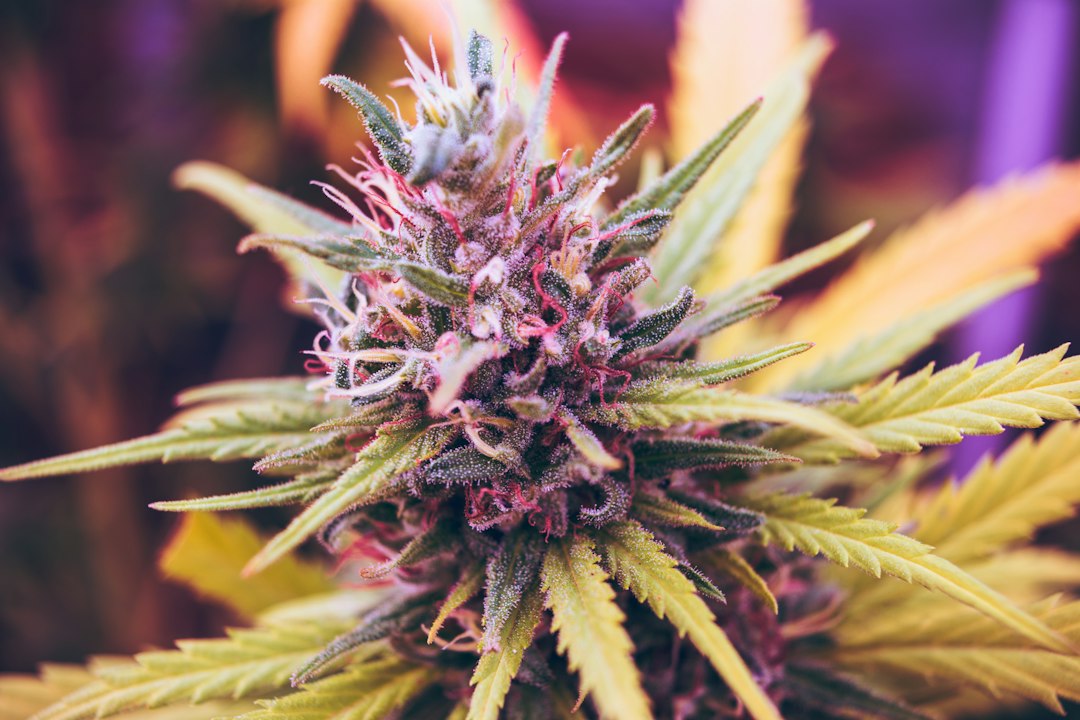
CBD and THC are the two best-known cannabinoids in the cannabis plant, and they are often presented as opposites: one “relaxing and harmless”, the other “the one that gets you high”. The reality is less tidy. If you are in Barcelona and see CBD shops on every other street, it helps to understand what each substance is, how products are labelled and what the rules in Spain and the EU actually say.
What is the main difference between CBD and THC?
THC (tetrahydrocannabinol) is the main psychoactive component of cannabis, the one associated with intoxication. CBD (cannabidiol) is generally considered not to produce that effect. Spain’s own regulation on standardised cannabis preparations, Royal Decree 903/2025, describes them in exactly those terms.
“Not psychoactive” does not mean “without effects”. CBD can cause side effects and can interact with medicines, and a product sold as CBD may also contain THC or other substances. Think of cannabinoid names as ingredients, not as a full description of what is in the bottle.
What the rules in Spain and the EU say
Medicines
Spain’s medicines agency, the AEMPS, has authorised a small number of medicines containing cannabinoids, for specific conditions and on prescription. One example is Epidyolex, a cannabidiol medicine evaluated by the AEMPS for two rare forms of childhood epilepsy, Lennox-Gastaut and Dravet syndromes. Since 2025, Royal Decree 903/2025 also regulates standardised cannabis preparations prescribed by specialists, and in January 2026 the AEMPS published how they are entered in its official register. We explain this framework in more detail in Cannabis Laws in Spain: Understanding Medical Access.
The approval of a specific medicine says nothing about an oil, gummy or cream bought in a shop. Those products have not been through the same evaluation.
Food and supplements
In the EU, CBD added to food or food supplements is treated as a “novel food”, which needs an authorisation before it can be sold for eating. In February 2026, the European Food Safety Authority (EFSA) published an updated statement on the safety of CBD as a novel food. It set a provisional safe intake level for adults but concluded that safety cannot be established for people under 25, pregnant or breastfeeding women, or people taking medication, and it highlighted open questions about effects on the liver. Spanish food-safety authorities, such as the Balearic food-safety service, also state that cannabinoids such as CBD cannot be used in food.
This is why many CBD products in Spanish shops are labelled for external use, as cosmetics or “collector’s items”, rather than for swallowing. The Spanish consumer organisation OCU found that shop staff often recommend taking oils orally anyway. A label and a sales pitch can say different things.
How to read a CBD or THC product label
Check whether the amount shown refers to the whole container or to one serving. A large number on the front may describe the bottle, while the per-serving information is somewhere else. Also distinguish milligrams from percentages: they answer different questions and should not be compared as if they were the same measure of strength.
Terms such as full spectrum, broad spectrum and isolate are marketing categories. They hint at how a product was made, but they do not replace an ingredient list or a laboratory report for the same batch. Ask what was measured, whether THC was included in the test and whether the batch number on the report matches the package.
A practical example: two oils with similar packaging. One shows the CBD content per bottle, the other per serving. Before comparing price or strength, rewrite both using the same serving size and note any THC information separately. If you would have to guess how the manufacturer defines a drop, ask.
Does CBD cancel out THC?
Do not treat CBD as an antidote. Its presence does not make driving safe, and it will not reliably stop an unexpectedly strong effect. Products with similar CBD:THC ratios can still differ in total content, in how they are used and in how each person responds. A “balanced” ratio tells you about the relationship between ingredients, not how much is in a serving.
Spanish traffic law penalises driving with drugs present in the body, and THC can be detected for some time. CBD products may contain traces of THC. Our guide to cannabis and driving laws in Spain explains the rules.
Questions to ask before using any cannabinoid product
- Do I take any medication? If so, take the full product label to a doctor or pharmacist and ask about interactions. EFSA specifically flags people on medication as a group for whom CBD safety is not established.
- What exactly is in it, and how much per serving? If the label does not say, that uncertainty is a reason to stop, not to guess.
- Is the seller making health claims? Identify whether they refer to an authorised medicine, a study or simply the shop’s own product. They are not the same thing.
- Where will I keep it? Store any cannabis product clearly labelled and out of reach of children and pets.
Remember too that membership of a cannabis association does not change the rules on public spaces. Using or possessing drugs in streets, parks or public transport is a serious administrative offence in Spain. See Is Weed Legal in Spain? for the full picture.
The short version
THC is the intoxicating cannabinoid; CBD is not, but it is not risk-free and it is not a cure-all. In Spain, cannabinoid medicines are prescribed for specific conditions, CBD is not authorised in food, and shop products have not been evaluated as medicines. Read labels carefully, be sceptical of health promises and talk to a healthcare professional if you take medication.
This article is general information and not medical or legal advice. Rules can change; check the official sources linked above.