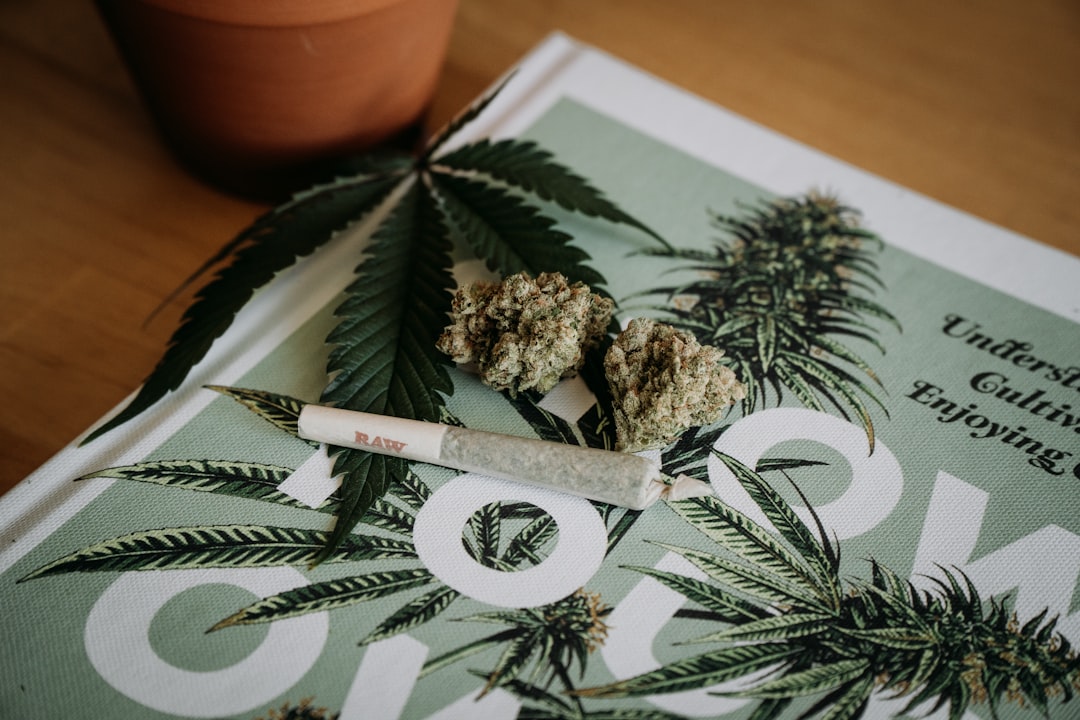
Cannabis books range from social histories and memoirs to reference guides, fiction, and books about hemp. The right place to start depends on what you want to learn: how cannabis became part of public debate, how it appears in literature, or how the plant is discussed in cultural and scientific writing. This reading guide groups notable titles by approach and offers a few questions to help you choose a useful next book.
Start by choosing the kind of book you want
The phrase “cannabis books” covers several different shelves. A history book follows events, laws, and public attitudes over time. A cultural study may examine music, activism, journalism, or changing ideas about cannabis. A botanical reference focuses on the plant and its varieties, while fiction may use cannabis as a setting detail, symbol, or part of a character’s life.
Before picking a title, decide whether you prefer a narrative, a reference work, or a personal account. Also check when the book was published. A volume written decades ago can be valuable for understanding its era, while a newer guide may reflect a more recent conversation. These details help readers select a book for the question they actually have.
Books about cannabis history
Readers interested in a broad historical narrative can look at Martin Booth’s Cannabis: A History, which follows the plant across different periods and places. For a social history centered on the United States, Martin A. Lee’s Smoke Signals: A Social History of Marijuana—Medical, Recreational, and Scientific traces the topic through cultural, political, and scientific debates.
Jack Herer’s The Emperor Wears No Clothes is an influential advocacy book about cannabis and hemp. It reflects a clear point of view, so it is most useful when read as part of a wider collection rather than as a neutral overview. Pairing books with different perspectives lets readers distinguish historical documentation, interpretation, and argument.

Books on cannabis culture and social change
Some books focus less on botany and more on how cannabis has been discussed in public life. They may cover activism, media portrayals, music, community organizing, or the ways laws and social attitudes changed. These titles are a good fit for readers who want to understand why the plant became part of larger conversations about identity and policy.
For this category, compare the author’s background and the book’s scope. Is it a personal memoir, a reported account, or a collection of essays? Does it center one country or cover several? A clear description of the author’s method helps you understand which questions the book answers and where its perspective comes from.
Reference and educational books
Reference books organize information for readers who want to return to specific topics. Depending on the title, they may explain terminology, describe the history of hemp, or introduce the cultural context around cannabis. Some are written for general readers; others assume a background in policy, agriculture, or science.
Check the table of contents before buying. A useful reference work makes its subject and limits clear, uses consistent terminology, and distinguishes established information from interpretation. Publication date matters too: a book focused on laws or policy may need a newer edition than one discussing literary history or the development of a cultural movement.
Fiction and literary appearances
In fiction, cannabis may shape a scene without becoming the whole subject. A novel might use it to establish a character’s social circle, capture a particular era, or show how a community responds to changing norms. Poetry and memoir can approach the topic more personally, connecting it with memory, creativity, or place.
Readers can search by genre as well as subject: literary fiction, memoir, historical writing, or poetry. That approach often reveals more satisfying options than looking only for books whose titles contain the word “cannabis.” Libraries and book catalogs can also surface editions under terms such as marijuana, hemp, or drug culture.
How to evaluate a cannabis book
Look at the author, publication date, publisher, references, and intended audience. Read a sample chapter if one is available, then decide whether the style suits you. For a contested subject, compare at least two authors with different approaches. That makes it easier to see where they agree, where they differ, and what evidence they use.
Reviews can help identify whether a book is readable and well organized, but they should not replace checking the book’s scope. A recommendation for a detailed academic history may not be right for a casual reader, and a personal narrative may not provide a broad survey.
Build a short reading list
A balanced starter list might include one general history, one book centered on social change, and one title from a different format such as memoir or fiction. Booth and Lee offer different historical approaches, while Herer’s advocacy work can be read alongside them to compare how authors frame the plant and its place in society.
Choosing cannabis books by subject and perspective makes the reading experience clearer. Start with a question, check the author’s approach, and select a format you enjoy. The result is a small, useful shelf rather than a stack of books chosen only because they share a keyword.
To connect this topic with Barcelona’s club scene, visit our Weed Club in Barcelona. For the distinction between private spaces and public use in Spain, read Is Weed Legal in Spain?.