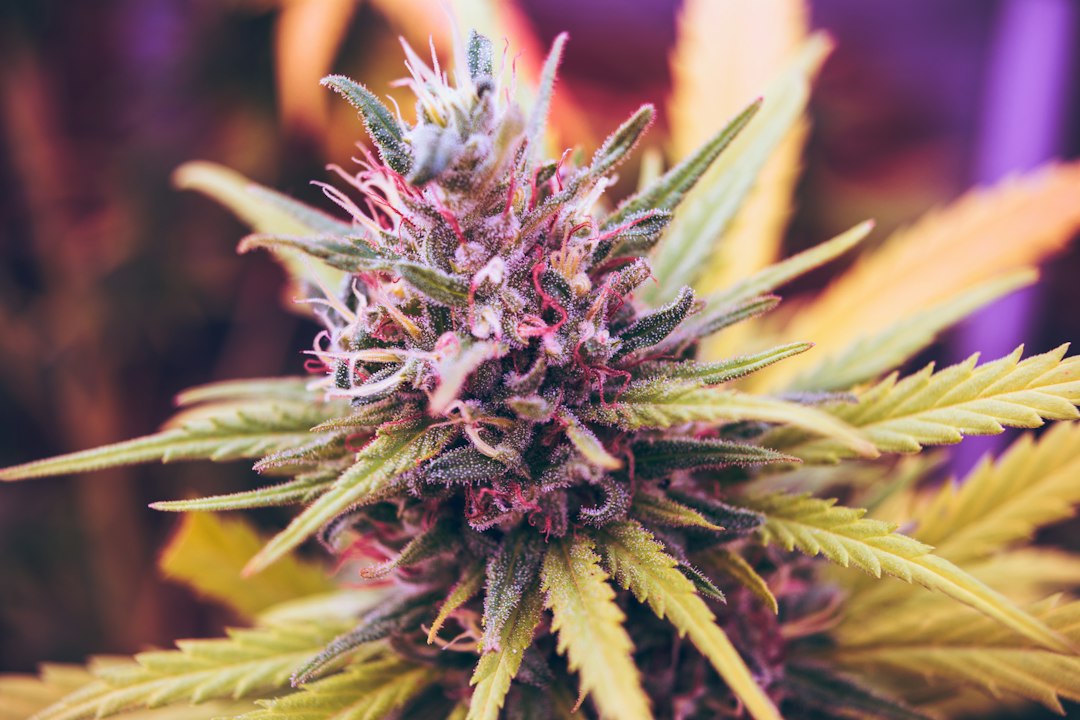
Weed dabs are concentrated cannabis products used through a method commonly called dabbing. The term can describe the material as well as the amount someone uses, which makes conversations confusing. A waxy texture, a glasslike appearance, and a thick liquid can all be discussed under the broad concentrate category, but appearance alone does not establish composition.
For a beginner researching terminology, the important task is understanding what a product is and what remains unknown about it. This guide explains labels and common claims without providing instructions for making extracts or operating a dab setup. Concentrated does not mean cleaner, safer, or medically appropriate.
Concentrate names describe different things
Words such as wax and shatter often describe a product’s physical form. Other terms may refer to processing, starting material, or marketing. These categories can overlap. A familiar name on a package is therefore a starting point for questions rather than a complete technical description.
Ask which information is actually documented. Does the label identify the manufacturer, a batch, the cannabinoid content, and intended route? Can a laboratory report be matched to that same batch? A screenshot of an unrelated report does not resolve questions about the item in front of you.
Potency changes the conversation
The CDC’s cannabis FAQ notes that oils and concentrates used for vaping and dabbing can contain highly concentrated THC and may contain additives or contaminants. That means a small physical quantity can still be pharmacologically significant. Judging by the size of a dab is an unreliable substitute for product information.
A higher percentage is not a quality score. It does not describe your likely experience, your ability to remain functional, or the absence of other substances. Treat potency as one part of a broader product assessment rather than as a challenge to seek the strongest available option.
Reading a laboratory report carefully
Start with identity: the product name, batch number, laboratory, and date. Then examine what was tested and how the result is reported. A cannabinoid panel and a contaminant panel answer different questions. Passing one test should not be described as proving everything about a product’s quality.
Look for unclear units, missing pages, or a report that cannot be connected to the package. If a seller cannot explain a mismatch, leave the question unresolved rather than inventing a reassuring explanation. A polished design, scannable code, or technical-looking chart is not itself evidence of independent testing.
Inhaling an aerosol involves risk
Avoid interpreting the absence of visible smoke as an absence of exposure. The CDC’s lung health guidance discusses concerns around inhaled cannabis and vaping-related lung injury. The substance, device, heating conditions, and contaminants can all matter. No concentrate label can promise that inhaling its aerosol will be harmless.
Health claims deserve particular scrutiny. A seller may describe a product as smooth, natural, or premium, but those terms do not establish respiratory safety. If you have respiratory symptoms or an underlying condition, bring the specific product information to a qualified clinician rather than treating a product comparison as medical advice.
Avoid home extraction experiments
Online concentrate discussions sometimes drift from terminology into hazardous manufacturing. Do not use a general explanation of dabs as permission to attempt extraction with flammable materials, improvised pressure vessels, or unverified equipment. Industrial production requires specialized controls and equipment. Consumer curiosity does not require recreating an industrial process at home.
Likewise, do not modify a device or combine unidentified ingredients to imitate an online demonstration. Instructions that omit legal requirements, product specifications, and foreseeable failures should not be treated as reliable simply because a video looks confident. Declining an experiment is a reasonable conclusion when essential information is missing.
Make comparisons that answer useful questions
When reading two concentrate descriptions, compare their documentation rather than their adjectives. Record the intended route, verified contents, testing scope, and manufacturer contact details. Note every unknown. This approach makes gaps visible and prevents attractive photography from supplying answers the documentation never gave.
For adults in jurisdictions where cannabis is lawful, local rules still govern access and possession. A legal market in one place does not authorize travel with concentrates elsewhere. Check official rules for your location and itinerary, and keep cultural interest separate from assumptions about permission. Understanding weed dabs means recognizing both the product category and the limits of what its marketing can establish.
A useful glossary should also record uncertainty. If two sellers use the same term differently, note that inconsistency instead of forcing both descriptions into one definition. Ask whether the word refers to texture, composition, or a process. Understanding that distinction can prevent a reader from confusing attractive naming with information about the actual substance. When documentation remains incomplete, choosing not to proceed is an informed response, not a failure to understand the culture.
For the distinction between private spaces and public use in Spain, read Is Weed Legal in Spain?.