Understanding cannabis culture in Japan starts with a distinction that American readers can easily miss: a long history of hemp does not mean a long tradition of legal recreational marijuana. The plant belongs to agricultural, textile, and ceremonial histories, while modern cannabis products sit within a strict legal framework. Those histories overlap, but treating them as one story obscures what makes the Japanese context distinctive.
What does cannabis culture mean in Japan?
The expression can describe several subjects: traditional fiber production, the symbolism of hemp, contemporary design, public attitudes, or debates about regulation. Each needs its own evidence. A garment made with hemp fiber tells us something about materials and craft; it does not tell us whether the person wearing it supports recreational consumption.
For readers familiar with American dispensaries and state legalization campaigns, this distinction changes the starting point. Rather than looking for a Japanese version of a familiar retail scene, look at how farming, religion, manufacturing, and government policy have shaped different uses of the same plant. Cultural history is richer when those uses remain separate.
Hemp as a practical fiber and traded material
Hemp stalks provide strong fibers that can become thread, fabric, cordage, and other materials. In Japan, that practical history connects the plant with work, household objects, and specialized craftsmanship. It also connects rural production with trade: a crop can become part of regional identity because people grow, process, transport, and sell it.
A surviving warehouse or historical cloth can therefore reveal more than an image of a leaf. The Yokoyama Local Museum Asakura in Tochigi, for example, occupies a warehouse associated with the hemp trade. Such objects invite questions about labor and local commerce, rather than assumptions about the personal habits of people living centuries ago.
Textile vocabulary needs care as well. English descriptions may use broad labels such as hemp or bast fiber, while particular Japanese fabrics involve ramie or other plants. The material listed for a specific object matters more than a loose translation. Check the museum label or maker’s description before treating every traditional summer textile as cannabis fiber.
How does hemp connect with ceremonial traditions?
Another part of the story concerns ceremonial materials. Hemp fiber has been associated with particular Shinto practices, including the preparation of ritual objects. This is a history of materials, symbolism, and specialist knowledge. It should not be rewritten as evidence that intoxicating cannabis was routinely consumed in every religious setting.
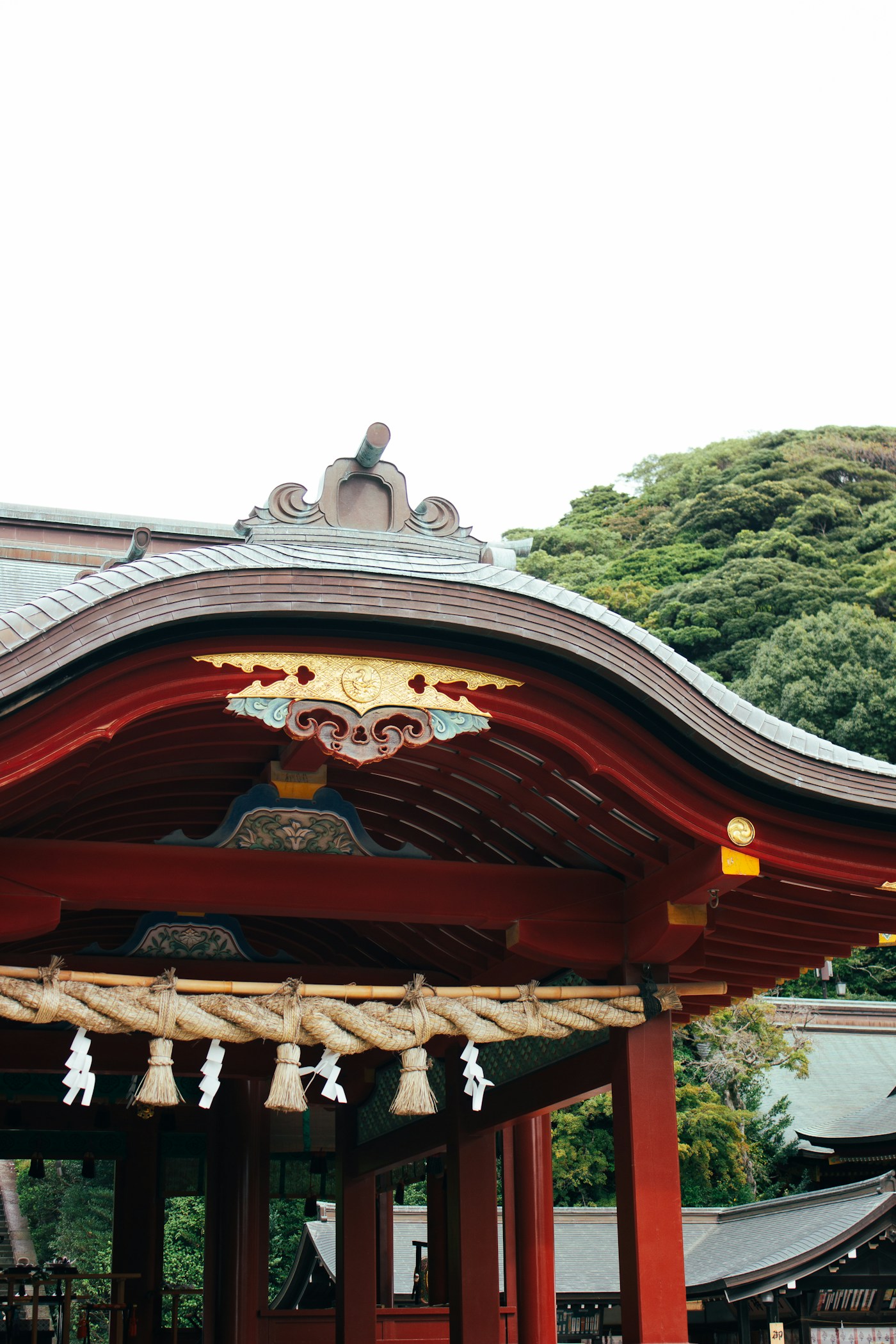
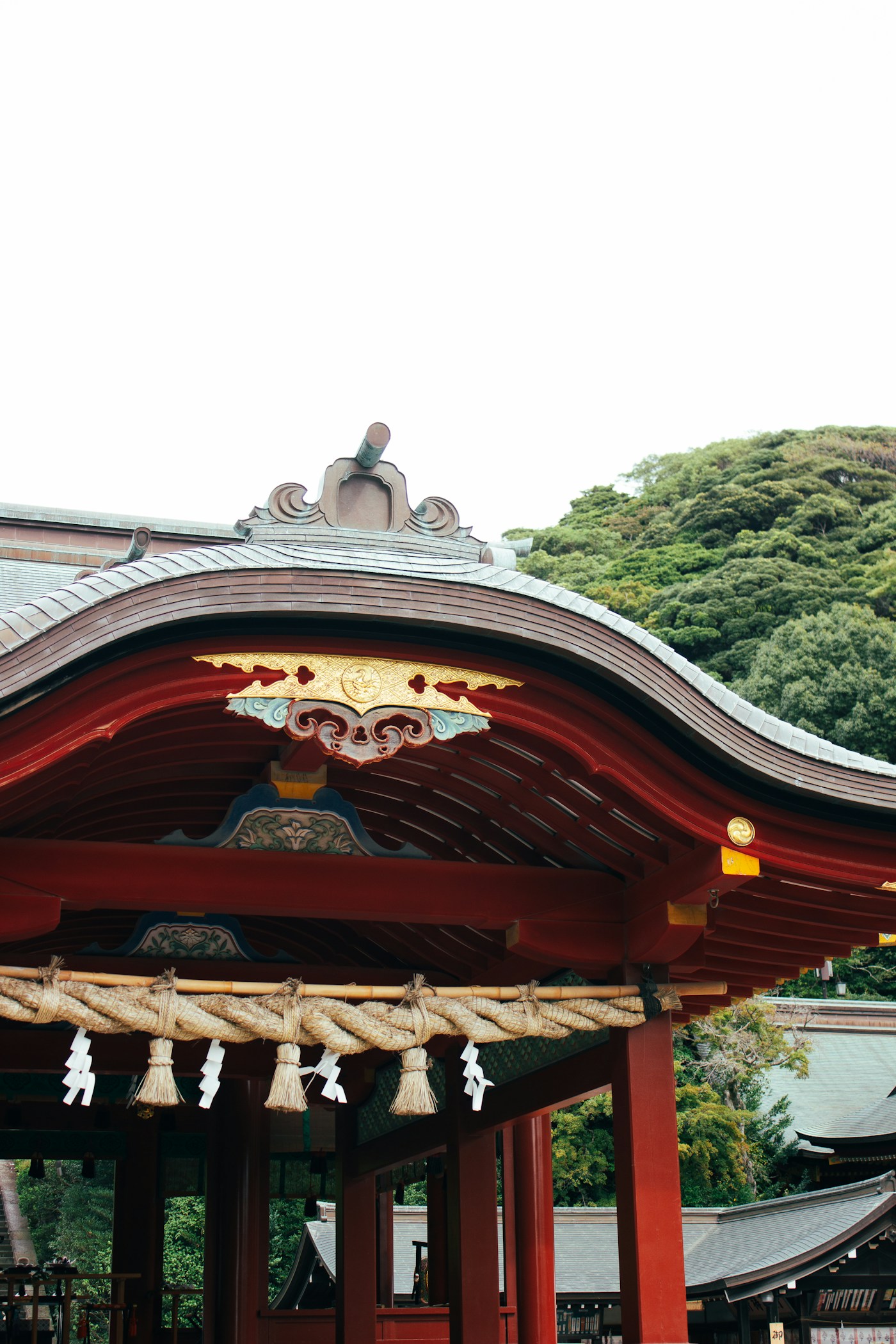
Visitors should also avoid identifying a fiber simply by looking at a shrine rope. Similar objects may use different plant materials, and appearances alone cannot establish composition. A careful account identifies the object, the place, and the documented material. That approach respects both the tradition and the people who continue to maintain it.
Modern imagery does not describe everyone
Contemporary leaf graphics, music references, or hemp clothing may be visible in international media, but they do not represent a single Japanese viewpoint. Designers, farmers, religious communities, younger audiences, and officials can approach the plant through very different experiences. A photograph of a shop window cannot stand in for an entire society.
It helps to separate three questions when reading an article or watching a video: what object is being shown, what its maker says it means, and what a commentator has inferred. Those questions prevent an attractive cultural story from turning into an unsupported claim about widespread consumption or a supposedly uniform national attitude.
Does traditional hemp change the rules for visitors?
No. Historical uses and current permissions are different subjects. Japan’s official tourism guidance warns visitors that cannabis is treated as a controlled drug, and the health ministry describes restrictions affecting cannabis and cannabis products. Products purchased legally abroad should never be assumed acceptable at a Japanese border.
Check the official visitor guidance on local laws before travel, especially if carrying medicines or products marketed as cannabinoids. A foreign prescription, a hemp label, and an online seller’s assurance are different things. None should be treated as a substitute for checking the rules that apply to the specific item.
A useful reading habit is to keep a small record of names and dates. Note whether an account concerns a crop, a finished fabric, or a consumer product. Record the place rather than replacing it with the word Japan. Finally, check whether the writer is discussing the past or reporting a current rule. These simple distinctions make comparisons with American cannabis culture much more accurate.
A clearer way to explore the subject
Start with a focused question: a regional trade, a textile technique, a ceremonial object, or a modern policy change. Then compare museum descriptions, official information, and dated historical records. This makes cannabis culture in Japan easier to understand without turning a complex history into either a travel stereotype or a claim of legal permission.
To connect this topic with Barcelona’s club scene, visit our Weed Club in Barcelona. For the distinction between private spaces and public use in Spain, read Is Weed Legal in Spain?.