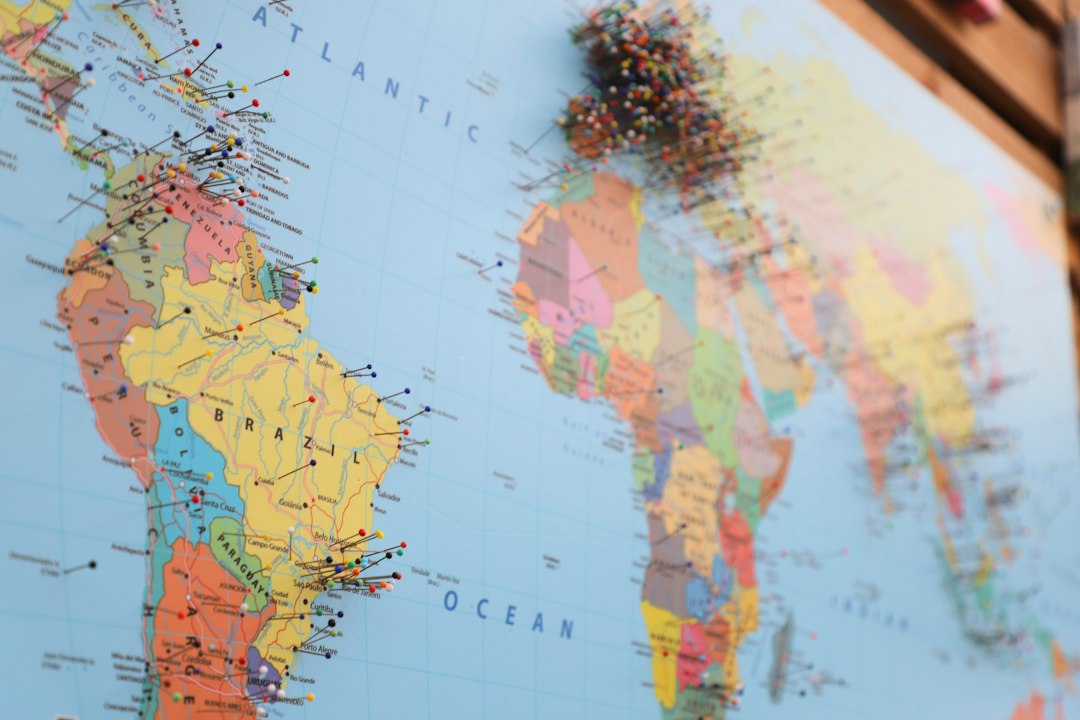
A useful comparison of cannabis legalization by country starts with a question: which activity is allowed, and for whom? Possession, home cultivation, medical prescribing, nonprofit distribution, and commercial sales are different legal categories. A country may change one without changing the others. Reading those distinctions is more useful than treating a green area on a world map as permission to buy, carry, or consume cannabis anywhere.
What does legalization actually describe?
Legalization creates permission within a defined framework. Decriminalization changes the treatment of particular conduct, often reducing or removing criminal penalties, while restrictions may remain. Medical access adds another category, because a prescribed medicine can follow rules that do not apply to recreational products. None of these terms describes every transaction in a country.
For an American reader, a familiar comparison is the difference between state permission and federal law. International comparisons require the same attention to separate layers of authority. National legislation, regional rules, licensing requirements, and individual eligibility can all matter. A headline announces the political change; the operative rules explain how that change works in everyday situations.
Canada and Uruguay illustrate different systems
Canada has a national legal framework for adult access to regulated cannabis. However, provincial and territorial rules influence practical questions such as authorized sellers and minimum age. Buying a product through a lawful channel does not create permission to export it. Health Canada’s overview of cannabis laws and regulations provides the starting point for those distinctions.
Uruguay also demonstrates why a country label is insufficient. Its regulated adult access system includes registration requirements, and the official regulator describes eligibility based on citizenship or permanent residency. A visitor should therefore avoid assuming that national regulation means a tourist can join the same purchasing system. The relevant question is eligibility for the particular route, rather than a general impression of national tolerance.
Germany and Malta use association frameworks
Germany’s rules distinguish private cultivation from cultivation associations. Official guidance describes membership and residency requirements, including the need for eligible members to have lived in Germany for the specified period. This is different from walking into a commercial dispensary. Membership-based distribution should not be presented as unrestricted public retail.
Malta’s regulator describes licensed Cannabis Harm Reduction Associations and a regulated framework with specific limits. The existence of these associations does not mean that every form of public consumption or sale is permitted. The Maltese regulator’s explanation is particularly useful because it resists the simplified language often used in travel headlines.
Why are medical programs a separate category?
A medical system may authorize a finished medicine, a standardized preparation, or a particular prescribing pathway. Those options are not interchangeable. The patient, prescriber, dispensing service, product, and diagnosis may each be subject to requirements. An article that says medical cannabis is available should explain what is available through the actual healthcare framework.
Likewise, permission in one country does not automatically travel with the patient. Someone preparing for an international trip needs to check the destination’s rules for the specific medicine and any required documentation. A prescription proves that a clinician prescribed something; it does not by itself answer a foreign country’s import rules.
How can readers compare countries accurately?
Start by writing down the activity being compared. Are you asking about possessing dried flower, growing plants at home, receiving a prescription, joining an association, or purchasing through a licensed store? Then identify the eligible person: a citizen, resident, visitor, patient, or adult member. These two questions make an international comparison far more precise.
Next, check the legal source and its date. A bill, a parliamentary vote, a signed law, and an operational distribution system represent different stages. News about a proposed reform can remain searchable long after the debate changes. Prefer the current regulator’s guidance and the legal text over an undated list that combines proposals with rules already in force.
For practical planning, record the country, the activity, the eligible person, the source, and the date in one note. Keeping these details together makes later updates easier and helps prevent a rule about one route being applied to an unrelated situation.
What does a useful country guide include?
A reliable guide states its scope, identifies the responsible authority, and explains the difference between national permission and practical access. It also separates rules about possession from rules about public use, transport, sale, cultivation, and borders. A short table can help readers compare categories, provided it does not hide important conditions behind a single yes or no.
The clearest way to read cannabis legalization by country is therefore as a set of specific legal pathways. Canada, Uruguay, Germany, and Malta illustrate different approaches, rather than four interchangeable versions of the same system. Check the pathway that matches your situation and consult the relevant authority before relying on a broad international comparison.
For a Barcelona perspective on private clubs, visit our Weed Club in Barcelona. For the distinction between private spaces and public use in Spain, read Is Weed Legal in Spain?.