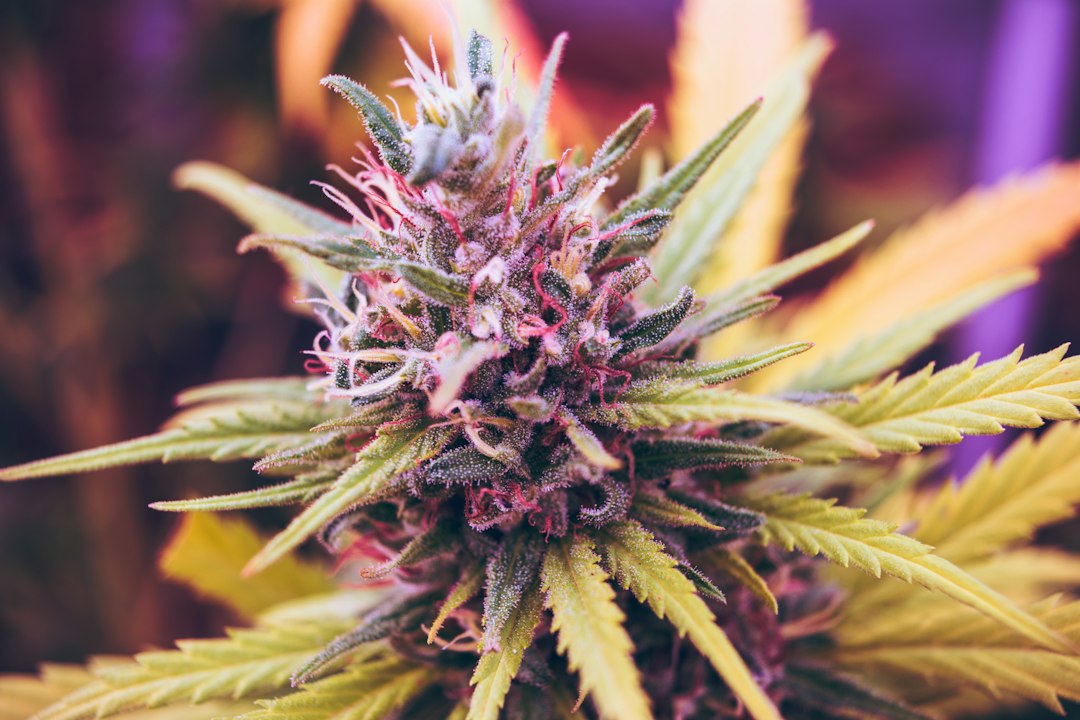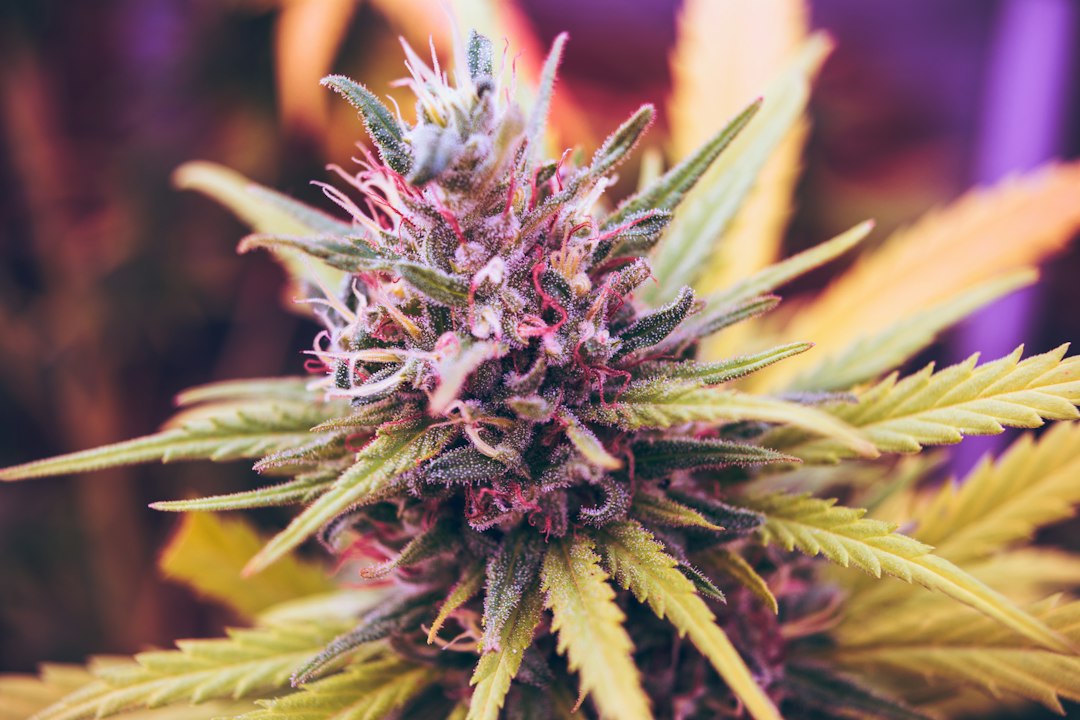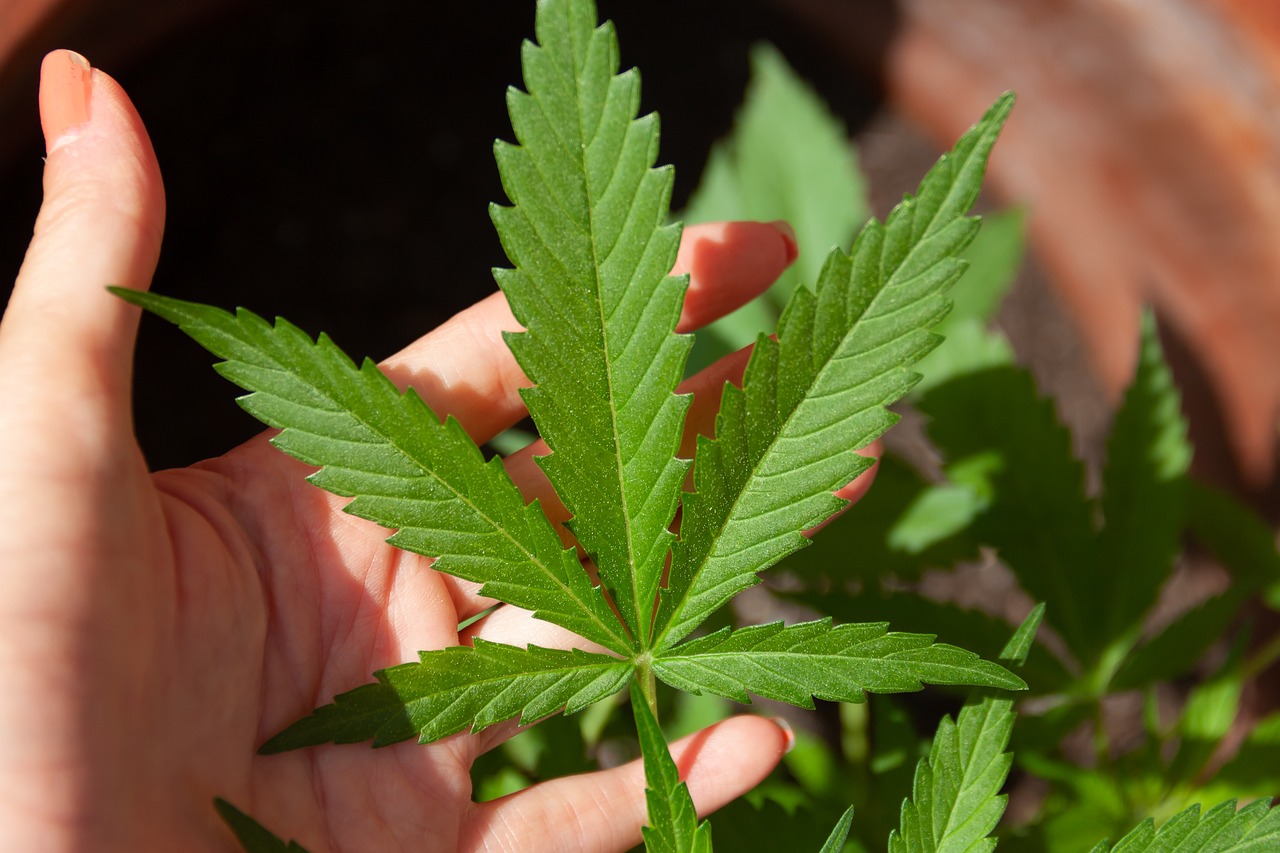
A cannabis history timeline is not a single story of laws or leisure. The plant has been cultivated for fiber, food, medicine, and other purposes, while its social meaning has shifted across places and eras. This guide follows several turning points, then looks more closely at the United States because its changing rules and media campaigns shaped much of the modern English-language conversation.
Early cultivation and many uses
People have used cannabis in different ways for a very long time, but surviving records do not tell one simple, complete story of where every practice began. Hemp fiber became useful for cordage, textiles, paper, and other materials. In different regions, people also valued the plant for seeds and used cannabis preparations in traditional contexts.
As trade and migration moved plants and knowledge between regions, cannabis acquired local meanings. A history timeline should therefore distinguish industrial hemp from intoxicating preparations, and should avoid treating all historical uses as if they were identical. The same plant could be understood through agriculture, household production, medicine, ritual, or recreation.
From trade routes to wider cultural contact
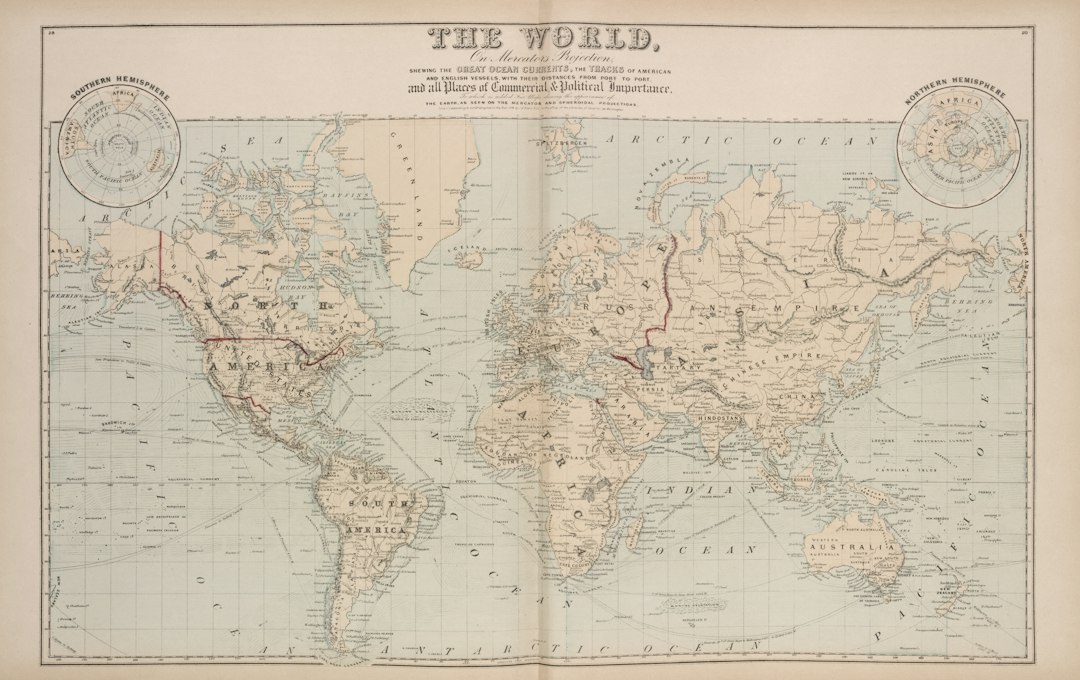
Over centuries, cannabis and hemp traveled with people, commerce, and empire. Hemp fiber was especially practical for making rope, canvas, and cloth, while cannabis preparations appeared in medical and cultural records in parts of Asia, Africa, Europe, and the Middle East. Local customs and vocabulary varied, and the written record reflects the interests of the people who documented it.
When Europeans crossed the Atlantic, hemp cultivation also became part of colonial agriculture. In North America, the crop was grown for useful fiber alongside other commodities. This practical history is sometimes left out of modern debates, even though it helps explain why the words hemp and cannabis have been used in different ways over time.
Medical preparations and changing public ideas
During the nineteenth century, cannabis preparations were sold and discussed in medical settings in several countries. Physicians and pharmacists worked with the knowledge and products available at the time, while later scientific methods changed how researchers described the plant’s compounds. Historical medical use does not mean that every modern product or claim is the same; it shows that ideas about cannabis have changed repeatedly.
Public opinion also moved through cycles of interest and alarm. Newspapers, political campaigns, and popular culture influenced how people talked about cannabis. The language used in each era matters: old newspaper accounts often reveal the assumptions and anxieties of their authors as much as they describe the plant itself.
U.S. prohibition and the 1930s
In the United States, state and local restrictions expanded during the early twentieth century. The federal Marihuana Tax Act of 1937 imposed controls that sharply restricted cannabis activity. It marked a turning point in federal policy and helped establish a legal framework that shaped public discussion for decades.
That period is also a reminder to read policy history in context. The Library of Congress archive of historic marijuana newspapers shows how sensational stories and racialized language appeared in early twentieth-century coverage. Looking at original archives lets readers compare the source material with later summaries and see how media framing influenced public debate.
From the Controlled Substances Act to reform movements
The Controlled Substances Act of 1970 placed marijuana in the federal schedules and became a central part of the U.S. regulatory framework. In the years that followed, advocates, researchers, patients, lawmakers, and community groups continued to debate cannabis policy. Their arguments were not uniform: they addressed personal freedom, health, criminal penalties, agricultural hemp, and local control.
State-level policy later began to diverge from federal policy. California voters approved a medical cannabis initiative in 1996, and Colorado and Washington voters approved adult-use measures in 2012. These events did not make cannabis legal everywhere in the United States; they created state-level changes within a continuing federal system.
How to read a cannabis history timeline
Timelines make dates easier to scan, but they can hide disagreements about causes and consequences. A careful reader should ask who wrote the record, what the writer wanted to show, and which communities are missing from the account. Laws, newspapers, medical texts, and personal histories answer different questions.
It also helps to separate a historical fact from a modern interpretation. A law may be easy to date, while its motives and effects require more context. The Library of Congress collection and this HISTORY overview of U.S. cannabis policy provide starting points for checking dates and following the primary records behind them.
Why the history still matters
The history of cannabis is a story of changing uses and meanings, from fiber and agriculture to medicine, public controversy, and policy reform. No single date explains the whole plant’s past. A useful timeline shows several turning points while leaving room for regional differences and changing interpretations.
Understanding that longer history gives readers a clearer way to approach present-day debates. It shows why conversations about cannabis often combine farming, culture, health, civil rights, and law, even when a headline focuses on only one of those subjects.
To connect this topic with Barcelona’s club scene, visit our Weed Club in Barcelona. For the distinction between private spaces and public use in Spain, read Is Weed Legal in Spain?.